Are Composite Manhole Covers and Frames Safer Than Iron Ones?
Jun 15, 2026
You can rely on Composite Manhole Covers and frames manhole cover for improved safety in public spaces and work environments. Composite materials offer lightweight design, corrosion resistance, and durability. These features protect workers from lifting injuries and prevent rust-related failures. Molded anti-slip surfaces ensure safer pedestrian access, even during wet conditions.
Key Takeaways
Composite manhole covers are lightweight and easy to handle, reducing the risk of worker injuries during installation and maintenance.
These covers resist corrosion and theft, making them safer and more durable for public infrastructure compared to traditional iron covers.
Composite materials provide superior slip resistance, ensuring safer pedestrian access in wet conditions, which enhances public safety.
Composite Manhole Covers and Frames Overview
What Is a Composite Manhole Cover?
You encounter composite manhole covers in many modern infrastructure projects. These covers use advanced materials to deliver safety and performance. Unlike traditional options, composite manhole covers rely on a blend of engineered materials that include resin, fiberglass, and polyethylene. You benefit from their lightweight design, which makes handling and installation much easier. These covers offer a secure fit, helping you keep contaminants out of sewer or stormwater systems. Their non-conductive nature also protects you in environments with electrical or communication lines.
Materials and Key Properties
You should understand the importance of materials when selecting manhole cover materials. The right materials ensure safety, durability, and ease of use. Here is a table that highlights the main materials used in composite manhole covers and frames, along with their benefits and safety contributions:
Material
Benefits
Contribution to Safety
Fiberglass
Resistant to corrosion, lightweight, strong enough for substantial loads
Reduces risk of injuries during installation and maintenance
Resin
Provides a longer lifespan in corrosive environments
Prevents corrosion that can weaken covers
Polyethylene
Lightweight and durable
Easier handling reduces back injuries
Composite manhole covers feature several key physical properties. Their lightweight nature means you can move and install them with less effort, reducing the risk of back injuries. The high strength-to-weight ratio of these materials ensures durability while keeping the covers easy to handle. Corrosion resistance makes these covers ideal for harsh environments, such as sewer systems exposed to chemicals or saltwater. You also gain safety from their non-conductive and non-magnetic properties, which are essential for electrical and communication infrastructure. The ability to engineer these materials for specific load-bearing needs further enhances safety and reliability.
Safety Comparison: Composite vs. Iron Manhole Covers
Strength and Load Capacity
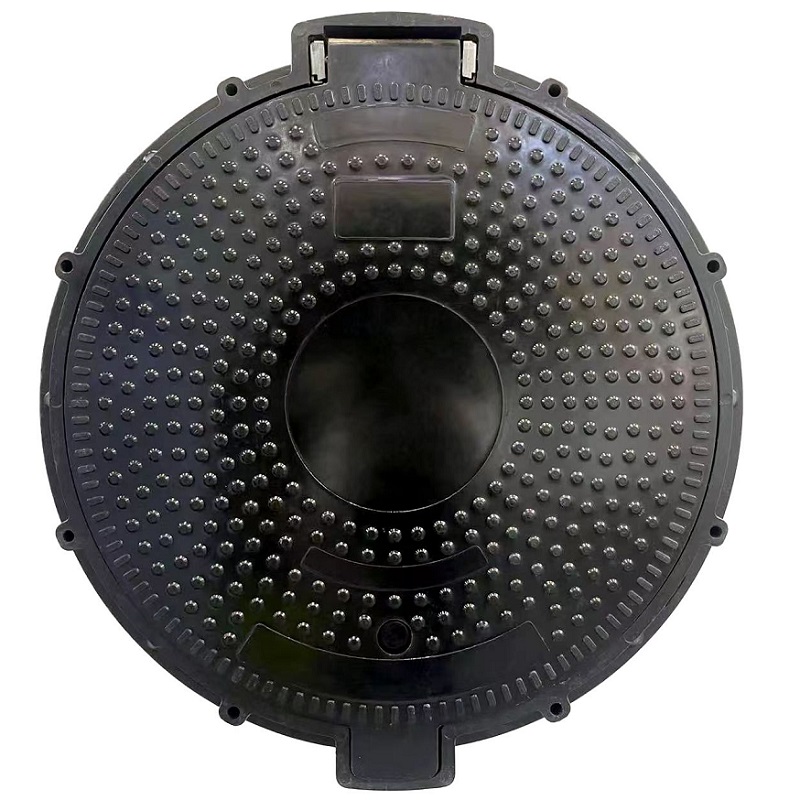
You need to consider strength and load capacity when selecting covers for stormwater systems or stormwater manholes. Composite manhole covers and frames manhole cover products, such as the CO Dia 600*100 EN124 D400 GRP SMC Composite Manhole Cover and Frame Direct Sale, meet international standards for a wide range of load classes. According to EN 124, composite covers support classes from A15 to C250, making them suitable for lighter to medium loads. Traditional iron covers, on the other hand, cover a broader range, from A15 to F900, and can handle very heavy loads, such as those found in airports or freight terminals.
Material Type
EN 124 Load Class Range
Description of Load Capacity
Composite Covers
A15 to C250
Suitable for lighter to medium loads
Cast Iron Covers
A15 to F900
Suitable for light to very heavy loads
Field studies show that composite manhole covers and frames manhole cover solutions resist fatigue cracking and edge chipping better than iron in many municipal applications. While iron covers may suffer from corrosion and impact stress, composites maintain their structural integrity, especially in harsh environments.
Material
Failure Mechanisms
Cast Iron
Fatigue cracking, edge chipping, corrosion weakening
Composite
UV degradation (low-grade), resin fatigue, improper installation
Slip Resistance and Surface Safety
You want to ensure public safety and security, especially in areas with high pedestrian traffic. Composite manhole covers and frames manhole cover products, including Composite Gully Channel Trench Gratings, feature engineered anti-slip surfaces. These surfaces provide superior slip resistance compared to untreated traditional iron covers, which can become slick and hazardous when wet.
Feature
FRP Manhole Covers
Cast Iron Covers
Anti-slip properties
Superior, effectively prevents slipping
Generally less effective
Corrosion resistance
Excellent, not prone to rust
Prone to rust
Weight
Lightweight, easier to handle
Heavier
Maintenance frequency
Lower, longer service life
Higher, more frequent
You reduce the risk of accidents and injuries by choosing composite solutions for stormwater systems, especially in public walkways and busy intersections.
Theft and Tampering Risks
You face significant risks of theft with traditional iron covers due to their scrap value. Major cities have reported thousands of stolen iron covers, leading to dangerous open manholes and increased maintenance costs:
In Beijing, China, approximately 240,000 manhole and street-drain covers were stolen in 2004.
In Kolkata, India, over 10,000 manhole covers were stolen within two months in 2004.
In Newham, East London, nearly 200 grates and covers were reported stolen in 2004.
Ajax and Niagara Falls, Ontario, experienced dozens of manhole cover thefts in March and April 2012.
Chatham County, Georgia, reported 30 manhole covers stolen in a single day in December 2021.
Composite manhole covers and frames manhole cover products have no scrap value, which greatly reduces theft and tampering risks. This feature enhances safety and security for both the public and utility workers.
Corrosion and Longevity
You need covers that withstand harsh environments, especially in stormwater systems exposed to chemicals, saltwater, or hydrogen sulfide. Composite manhole covers and frames manhole cover solutions offer superior durability and longevity compared to traditional iron covers.
Composite manhole covers have a significantly longer lifespan than metal covers.
Metal covers are susceptible to rust and corrosion, requiring frequent replacement.
Composite materials maintain their integrity for decades.
Composite systems are corrosion-free, which enhances their longevity in corrosive environments.
Corrosion in iron covers leads to rust, surface degradation, and structural weakening. Composite covers, especially those made from fiberglass reinforced plastic, resist corrosion and require less maintenance. This resistance results in lower maintenance needs and a longer service life, making them ideal for stormwater systems and municipal infrastructure.
Electrical and Thermal Safety
You must consider electrical and thermal safety, especially when covers are installed near electrical or communication lines. Composite manhole covers and frames manhole cover products are non-conductive and non-sparking, which protects workers and the public from electrical hazards.
Feature
Composite Manhole Covers
Iron Manhole Covers
Electrical Conductivity
Non-Conductive
Conductive
Safety in Electrical Hazards
Enhanced
Lower
Heat Transfer
Reduced
Standard
Non-conductive properties make composite covers safe for electrical utilities and stormwater systems with integrated sensors. You also avoid the risk of sparking, which is crucial in environments with flammable gases.
Installation and Handling Safety
You improve worker safety and efficiency by choosing composite manhole covers and frames manhole cover solutions. Composite covers are lightweight, which reduces the risk of back injuries and fatigue during installation and maintenance. According to industry reports, handling heavy iron covers is a leading cause of workplace injuries in the utility sector.
Composite manhole covers are significantly lighter than iron covers, making them easier to handle and reducing the risk of workplace injuries during installation and maintenance.
The lighter weight of composite manhole covers reduces the risk of back injuries and fatigue for workers.
Compliance with occupational safety regulations is supported, leading to lower injury-related costs for municipalities and contractors.
Faster handling of lighter covers increases productivity, allowing crews to complete more maintenance tasks in less time, which is crucial in high-traffic areas.
Installation of lightweight access covers eliminates the need for cranes and extra crew, allowing for quicker and safer handling.
This efficiency frees up labor and equipment for other tasks, enhancing overall job site productivity and reducing workers' compensation risks.
Back strain injuries from traditional manhole covers can cost utility operations between $700,000 to over $1,000,000 annually, with each incident averaging $70,000.
The reduced weight of composite covers leads to lower injury rates, creating a safer and more cost-efficient work environment.
You can see these benefits in products like the People Passby Light Weight FRP Composite Gully Channel Trench Gratings, which are designed for easy installation and safe handling.
Maintenance and Lifecycle
You want to minimize maintenance and maximize the service life of your infrastructure. Composite manhole covers and frames manhole cover solutions require less maintenance than traditional iron covers. Over a 10-year period, you will find that composites offer a maintenance-free experience, with no rusting or pollution.
Feature
Composite Manhole Cover
Cast Iron Manhole Cover
Maintenance Requirements
Maintenance free, no rusting, no pollution
Requires regular maintenance, prone to rusting
Service Life
20-50 years
5-10 years
Corrosion Resistance
High resistance to corrosion
Moderate resistance, can corrode over time
Theft Resistance
Anti-theft properties, no recycling value
Prone to theft due to material value
Customization
Customizable patterns and designs
Limited customization options
You should regularly check for debris, cracks, or damage, and verify that the structure is sound and securely connected. However, composite covers require fewer interventions, which reduces manhole maintenance costs and disruptions to stormwater systems.
When you factor in lifecycle costs, composite manhole covers and frames manhole cover solutions offer clear advantages:
Factor
Composite Manhole Covers
Cast Iron Manhole Covers
Replacement Frequency
20–50 years
5–10 years
Maintenance Costs
No painting, no rust
Requires regular upkeep
Theft Replacement Costs
Lower risk
Higher loss rates
Worker Injury Costs
Fewer handling injuries
More handling injuries
Transport Efficiency
3–4× more per truck load
Less efficient
You benefit from no corrosion maintenance, fewer injuries, reduced theft risk, and extended service life. Composite manhole covers and frames manhole cover products, such as the CO Dia 600*100 EN124 D400 GRP SMC Composite Manhole cover and Frame in Round Shape Manufacturer Direct Sale, deliver durability and longevity for stormwater systems and public infrastructure.
Composite covers are often touted for their environmental benefits. They are typically made from recyclable materials and require less energy to produce than iron or steel covers. Additionally, their lighter weight reduces transportation costs and associated carbon emissions.
Summary Table: Safety Aspects Comparison
Safety Aspect
Composite Manhole Covers and Frames Manhole Cover
Traditional Iron Covers
Strength & Load
Medium to heavy loads, high durability
Light to very heavy loads, can corrode
Slip Resistance
Superior, anti-slip surface
Less effective, can be slippery
Theft Risk
Very low, no scrap value
High, valuable for scrap
Corrosion Resistance
Excellent, no rust
Prone to rust and corrosion
Electrical Safety
Non-conductive, non-sparking
Conductive, sparking risk
Installation Safety
Lightweight, easy to handle
Heavy, injury risk
Maintenance
Minimal, long service life
Frequent, shorter service life
Environmental Impact
Sustainable, recyclable
Higher carbon footprint
You can see that composite manhole covers and frames manhole cover solutions provide clear advantages in safety and security, durability and longevity, and maintenance for stormwater systems and public safety. By choosing advanced GRP/composite products, you ensure reliable performance, reduced risks, and lower long-term costs for your infrastructure.
You gain superior safety with composite manhole covers and frames. Their corrosion resistance, theft-proof design, and lightweight handling make them ideal for:
Wastewater and drainage systems
Telecom access chambers
Coastal, industrial, and public spaces
You improve worker safety and reduce maintenance costs by choosing composites for demanding environments.
FAQ
How do composite manhole covers improve safety in stormwater systems?
You gain safer access to stormwater manholes because composite manhole covers resist corrosion, reduce theft, and offer slip-resistant surfaces. Workers handle them easily, lowering injury risks.
Can you use composite manhole covers in sewer environments?
You can install composite manhole covers in sewer manholes. These covers resist chemicals and moisture, ensuring long-lasting performance and reducing maintenance needs in harsh sewer conditions.
Are composite manhole covers part of eco-friendly practices?
You support eco-friendly practices when you choose composite manhole covers. Their lightweight design reduces transport emissions, and many covers use recyclable materials for sustainable stormwater and sewer solutions.
 English
 Русский
 Español
 عربي
عربي




 Network Supported